
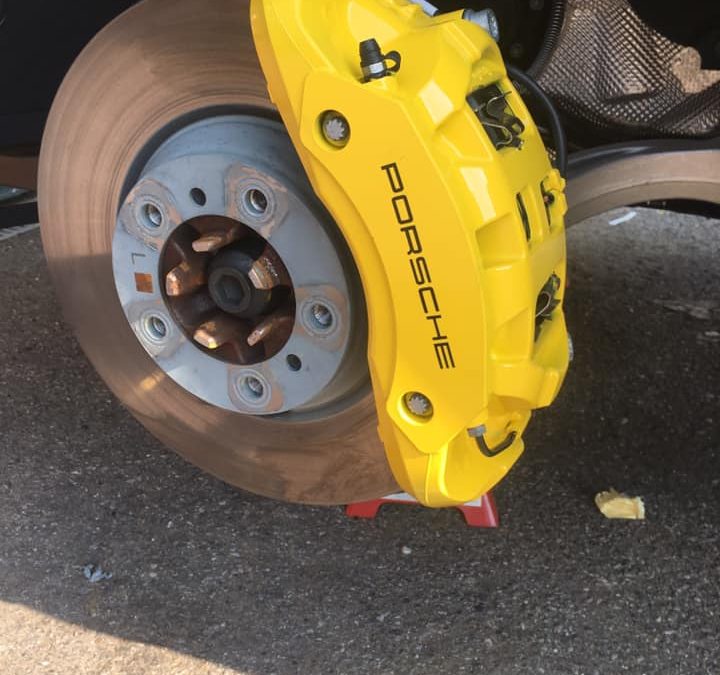
Alloy wheels are a fantastic aesthetic feature and an essential part of any vehicle. Still, they are subjected to various factors, such as road conditions, moisture, dust, and chemicals, which can lead to corrosion and oxidation and affect the appearance and stability of the wheels. One way to combat those is through professional alloy wheel refurbishment in Essex. This process is widely known for repairing wheel damage. This blog will further discuss how the process works and combats oxidation and corrosion. However, never forget to visit only the sheer professionals for the best results.
Why Timely Alloy Wheel Refurbishment Matters
Understanding Corrosion and Oxidation on Alloy Wheels
Corrosion mostly appears due to exposure to water and road salts, while oxidation results from the interaction of the metal with air and moisture. It can appear as white powdery spots, bubbling paint, color changes in the wheel surface, and wheel pitting. Without immediate professional care, corrosion can spread beyond the coating layer, requiring professional intervention. Driving with a damaged wheel structure can be really dangerous.
Removal of Damaged Coatings and Surface Contamination
The initial process in alloy wheel refurbishment involves stripping all previous coatings and any corroded areas. Experts use specialised methods. Generally, it includes chemical stripping, abrasive cleaning, and sanding, among others, to remove all damaged coating. This process entirely eliminates any signs of oxidation, exposing the metal underneath. It also includes cleaning the wheel surface of brake dust and any other contaminants that might contribute to further corrosion. Starting with a clean surface will give experts a clear indication of the wheel’s condition and how to proceed.
Repairing Corrosion Damage and Surface Imperfections
The next step generally involves repairing any corrosion-related damage to the wheel. It could be filling holes on the wheel’s surface, removing surface roughness, and even addressing any dents that may lead to moisture retention. At this particular step, sanding and machining are very important as they help restore the wheel to its original condition. This process is mostly essential as even the most minor surface damage can serve as a starting point for corrosion.
Applying Protective Primer and Finish
Upon completion of the previous steps, they are coated with high-quality primer to prevent rust and oxidation. This layer acts as a barrier between the wheel metal and environmental conditions. Moving forward, the wheels undergo painting and coating with high-quality lacquer. Such a treatment makes the wheels resistant to corrosion in the future. The most popular way to restore alloy wheels at the moment is powder coating, which provides strong protection against various impacts, including mechanical damage and weathering.
Extending Wheel Life and Enhancing Vehicle Appearance
With wheel refurbishment, it is possible not only to ensure the wheel is in good condition visually but also to make it more resistant to corrosion and oxidation in the future. Thus, one could enjoy the wheel’s longevity and durability and keep it good-looking. Alloy wheel refurbishment always allows drivers to save money on wheel replacement, since refurbishment is much more affordable than replacement.
Protect Your Wheels and Preserve Their Performance
Corrosion and oxidation can have significant impacts on the aesthetic and functional aspects of alloy wheels when left unchecked. The process of alloy wheel refurbishment in Essex is highly effective at removing damage, repairing alloy wheels, and applying protective coatings to restore their beauty and functionality. You can unquestioningly trust us here at Smart Wheels Essex for this job. Call us today to learn more.